
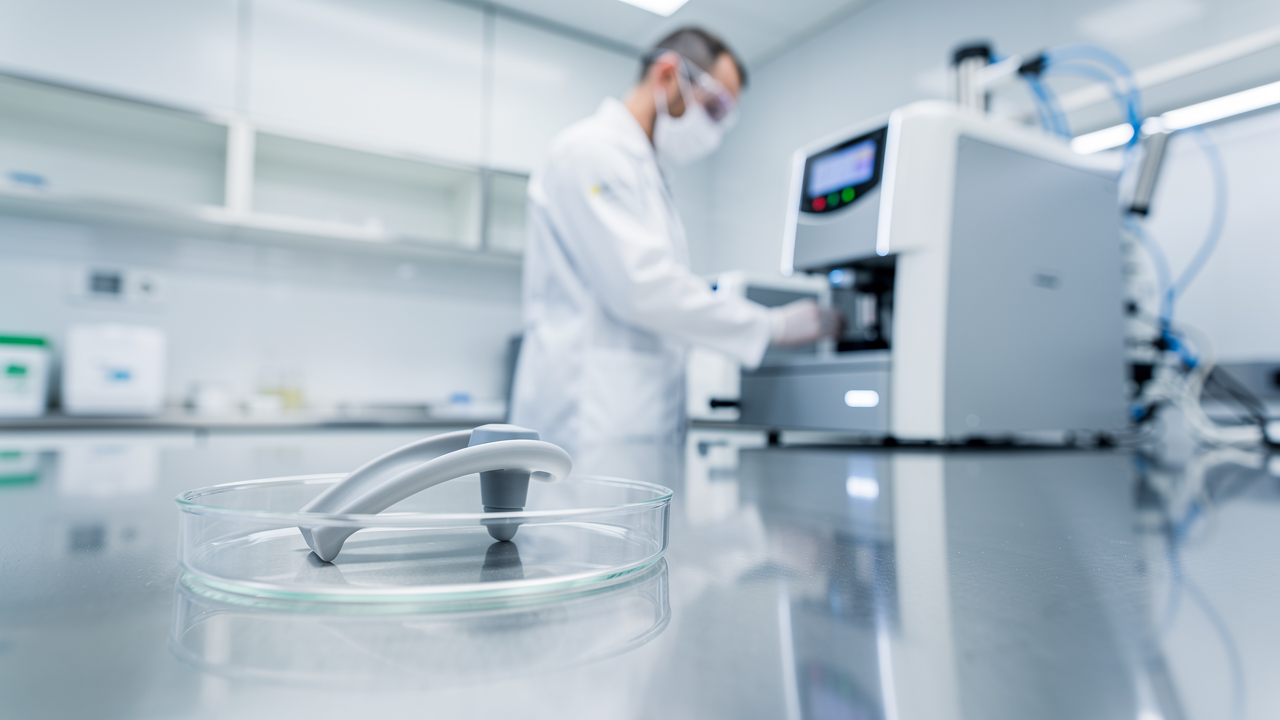
ADME Tox Screening in Early-Stage Medical Device Development borrows a pharmacology vocabulary and repurposes it for materials science. Instead of tracking how a drug molecule moves through the body, engineers and toxicologists track how trace chemicals released from a device housing, coating, or implant interact with tissue. The exercise is less about pharmacokinetics and more about early-stage safety screening for materials that were never designed to be metabolized.
Classic pharmacology splits its analysis into absorption, distribution, metabolism, and excretion. The ADME model was built for compounds meant to circulate and act on receptors. Devices behave differently: a polymer additive that leaches from a catheter does not need to reach a therapeutic concentration to cause harm, it only needs to accumulate locally or trigger a cellular reaction. That shift in intent is why medical device biocompatibility programs borrow the ADME letters but apply them to migration, local tissue uptake, and clearance of degradation byproducts rather than drug action.
The practical goal of this early biological evaluation is narrower than full pharmacokinetics. Teams want to know whether a candidate material is likely to provoke a systemic or localized toxicological response before locking a design. The ISO 10993 framework gives that process structure. Rather than running blind toxicity panels on every material variant, the framework directs teams toward a risk-based sequence: characterize the chemistry first, then test biologically only where the chemistry suggests a concern. Degradation products from resorbable polymers, for instance, are traced through absorption and distribution pathways long before any implantation study begins, which keeps early screening efficient and defensible.
Do medical devices require ADME-Tox testing?
Not every device needs a full toxicological workup. A diagnostic housing that never touches tissue carries a different risk profile than a permanent implant. Modern safety protocols still push teams toward early toxicological risk assessment and chemical characterization, because downstream clinical failures are expensive and slow to trace back to a single additive.
High-risk versus lower-risk devices
Bioresorbable polymers, drug-device combinations, and anything with sustained mucosal or blood contact sit at the high-exposure end. Implant material safety demands close material safety evaluation because wear particles and degradation products can enter systemic circulation over months or years. Medical device toxicology in these cases looks specifically at polymer coatings, colorants, and custom additives that were not present in the original base resin. Devices limited to intact skin contact sit at the other end: a narrower biological evaluation scope is usually justified, and historical safety data on a well-characterized material can reduce the amount of new screening required.
How is ADME-Tox screening different from formal biocompatibility testing?
Early screening and formal testing answer different questions. Screening is a filter; formal testing is a verdict. Risk-based screening narrows a list of candidate materials through device material screening steps that are fast, quantitative, and relatively inexpensive. Formal biocompatibility testing, guided by principles of material biocompatibility, is a finished device evaluation built for regulatory clearance, and it covers multiple endpoints at once rather than isolating one variable.
Analytical chemistry workflows used in early screening can flag a specific migrating compound days after a sample is prepared, long before that compound would show up as a biological adverse reaction in an animal study. This is where preclinical device testing earns its value: catching a toxic candidate material early avoids the cost of discovering the same problem after tooling, sterilization validation, and packaging have already been finalized. Iterating a formulation based on a rapid in vitro result is far cheaper than repeating a full regulatory test battery.
Which assays are used to screen medical device materials early on?
An ADME Tox assay medical device program usually opens with three tools working in parallel: in vitro toxicology assays, direct chemical analysis, and early-stage cell viability tests. Together they capture immediate material toxicity before a design is fixed.
Cytotoxicity testing as a first line of defense
Cytotoxicity testing, run as either direct contact or elution exposure, remains the fastest in vitro toxicology check available. Cells are exposed to a material or its extract, and survival is measured after a set incubation period. Low survival rates point to a formulation problem long before any tissue-level testing begins.
| Screening method | What it measures | Typical turnaround |
|---|---|---|
| Cytotoxicity assay | Cell survival after material contact | Days |
| Chemical characterization | Identity of extractables and leachables | Days to weeks |
| Biological risk assessment | Overall exposure and hazard mapping | Ongoing, document-based |
Chemical characterization complements the cell-based work. Polar and non-polar solvents pull compounds out of a device sample under exaggerated conditions, and gas chromatography paired with mass spectrometry maps the resulting chemical profile. That extractables and leachables data feeds directly into a biological risk assessment, which is what shapes an early development testing strategy before any larger study is scheduled.
What causes medical devices to fail early biological screening?
Failures rarely trace back to the base material itself. More often they come from what was added to it, or left behind during manufacturing. Reviewing these failure patterns follows the same logic used in broader toxicology research: identify the exposure, then confirm the mechanism.
Manufacturing residuals and coating instability
Polymer screening often uncovers residual solvents, unreacted monomers, or plasticizers that were never fully removed after molding. Surfactants, cutting fluids, and mold-release agents left on a surface can lower cell survival scores even when the base polymer is well characterized, which is why cleaning and sterilization procedures need their own validation. Coating safety assessment introduces a separate risk: incomplete curing leaves reactive chemistry on the surface, producing localized cytotoxicity at the contact site. Over time, polymers exposed to physiological heat and humidity can also degrade, and a delaminated coating raises local tissue exposure well above what the original design intended.
How do you choose the right early-stage screening plan?
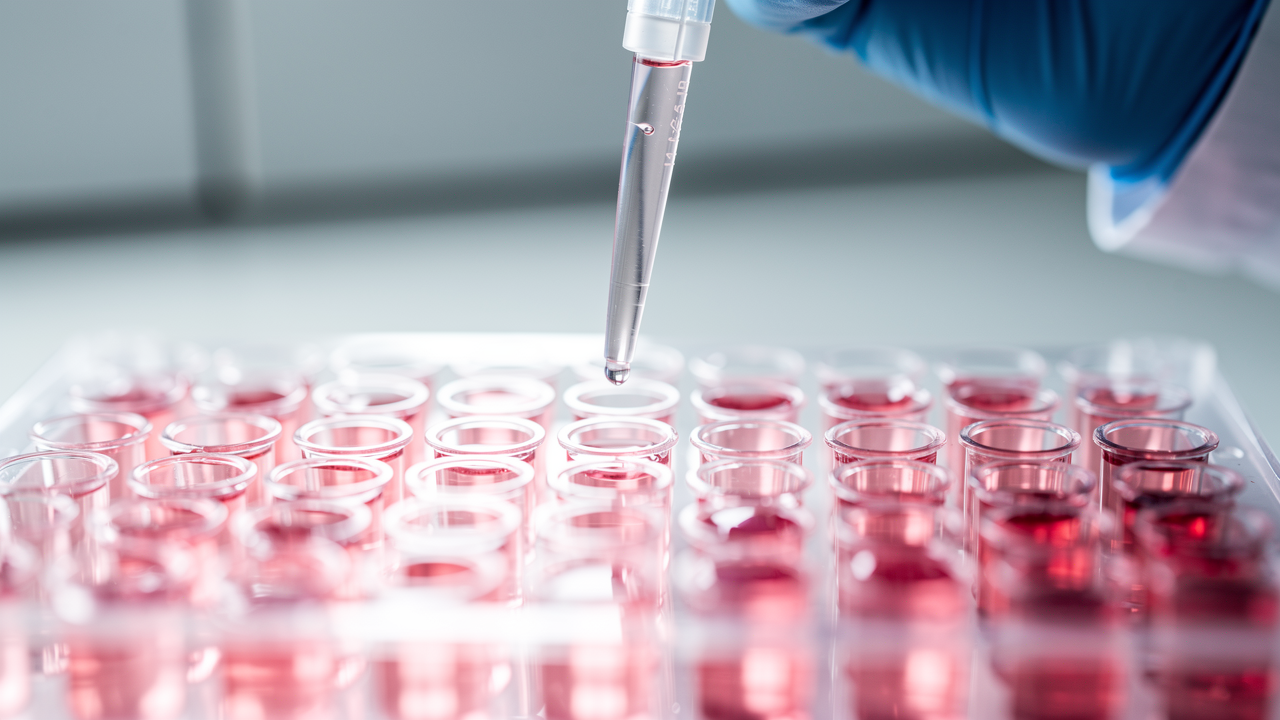
A workable screening plan starts with the device's contact profile rather than a generic checklist. Transient contact, short-term exposure, and long-term implantation each demand a different level of toxicological risk assessment, and matching the plan to the exposure hazard avoids both under-testing and unnecessary redundancy.
Device chemical safety work is usually sequenced before biological assays, not run alongside them. Chemical profiling narrows the list of compounds of concern first; short-term in vitro assays then confirm or rule out a biological response for that shorter list. This phased, decision-tree approach reduces the number of biological tests needed overall, since chemistry data alone can eliminate candidates that would otherwise require a full cell-based evaluation.
Is ADME-Tox screening mandatory for every new medical device?
No single regulation mandates classical ADME testing for all devices. What is expected, in most jurisdictions, is a documented chemical and biological risk assessment scaled to the device's contact duration and tissue exposure.
How early in development should screening begin?
Screening is most useful before a material formulation is finalized, since results at that stage can still influence tooling, additive selection, and sterilization method without triggering a full redesign.
Can chemical characterization replace cytotoxicity testing entirely?
Chemical characterization narrows which compounds warrant attention, but it does not replace a cell-based read on biological effect. The two methods are typically run together rather than as substitutes for each other.
Why do well-established materials sometimes still fail screening?
Failures often trace to manufacturing variables such as incomplete curing, residual processing chemicals, or a new coating rather than the base material, which is why lot-specific screening still matters even for familiar polymers.
About the Business
Da-Ta Biotech operates as a biological research and development contract laboratory, supporting biotech, pharmaceutical, and medical device companies across Israel with in vitro R&D services and biological laboratory testing. The laboratory works alongside device and materials teams to evaluate biocompatibility risk early, combining chemical characterization with high-quality cell-based assays to help formulate safer materials before a design is finalized.
