
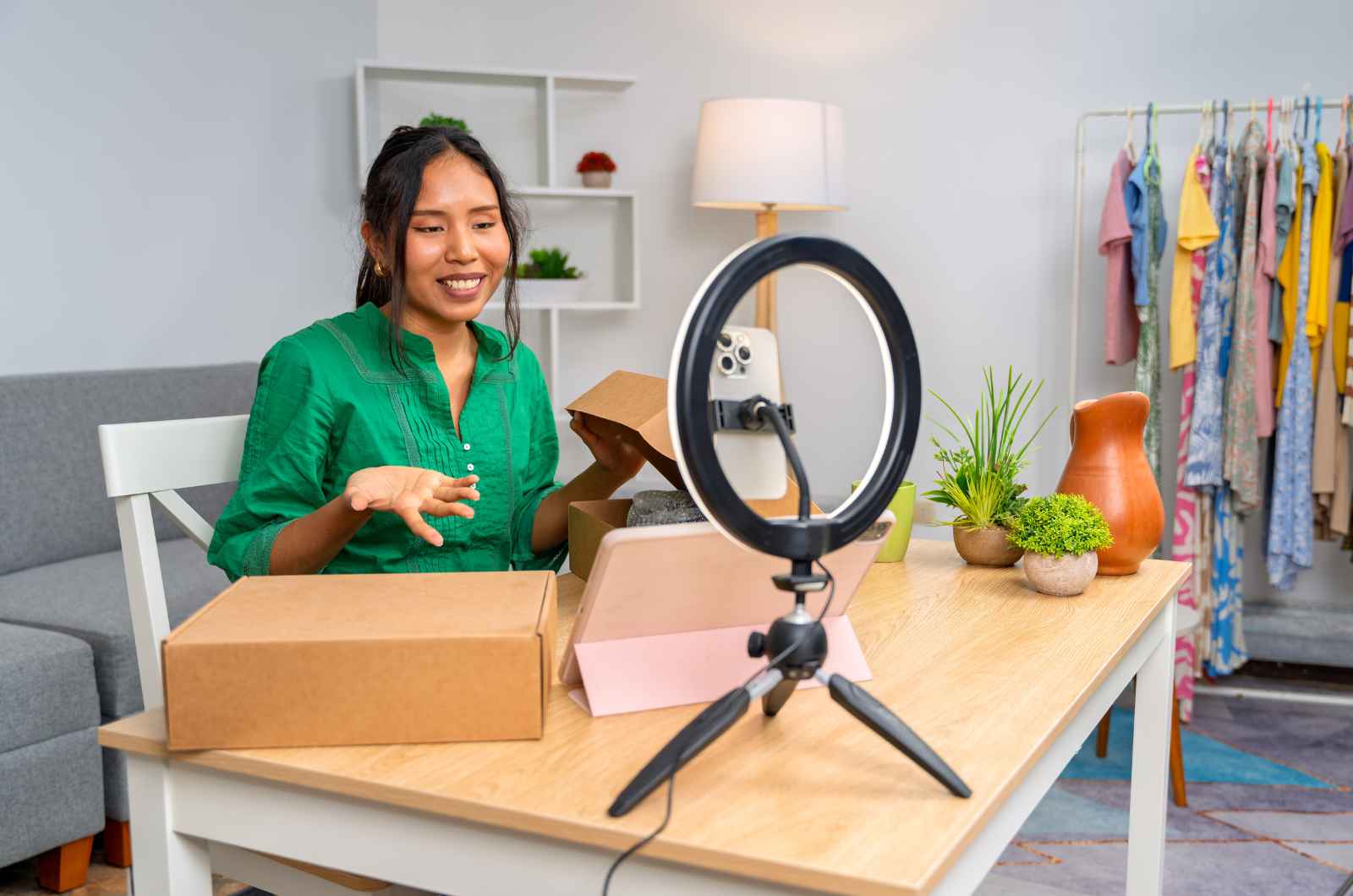
Marketing budget reallocation has accelerated dramatically as brands redirect spending from traditional advertising channels toward influencer partnerships. This shift reflects fundamental changes in consumer behavior, media consumption patterns, and the measurable effectiveness of creator-generated content compared to conventional advertisements. Understanding the drivers behind this transition reveals why influencer marketing has moved from experimental tactic to core strategy across industries.
?How Consumer Trust Has Eroded in Traditional Advertising
Audiences have developed sophisticated skepticism toward traditional advertising, with banner blindness and ad-blocking technology reaching unprecedented levels. Research shows consumers trust recommendations from real people significantly more than branded messages, even when those recommendations are clearly sponsored. The personal connection between creators and their audiences generates credibility that polished corporate advertising cannot replicate, regardless of production budgets or celebrity endorsements.
Younger demographics particularly demonstrate advertising resistance, actively avoiding platforms and content formats dominated by traditional ads. Gen Z and millennial consumers spend considerably less time with legacy media channels like television and print, instead consuming content primarily through digital platforms where influencers thrive. These audiences not only ignore traditional ads but actively resent intrusive advertising that interrupts their content consumption, creating negative brand associations rather than positive awareness.
?What Performance Data Reveals About Channel Effectiveness
Direct performance comparisons between traditional advertising and https://influencermarketing.ai consistently favor creator partnerships across key metrics. Campaign data indicates that influencer marketing delivers 11 times higher ROI than traditional digital advertising for many brands, with superior performance in both customer acquisition cost and lifetime value. These results stem from multiple factors including better targeting, more engaging content formats, and the trust advantage that influencers maintain with their audiences.
Attribution technology has improved dramatically, enabling brands to track customer journeys from influencer content exposure through final purchase with increasing accuracy. This visibility reveals that influencer content often serves as the critical touchpoint driving conversion, even in multi-channel campaigns. The measurable performance combined with lower production costs makes influencer marketing highly attractive for brands facing pressure to justify every marketing dollar with clear return on investment.
?How Content Creation Costs Compare Across Channels
Traditional advertising production requires substantial investment before any audience exposure occurs. Television commercials can cost hundreds of thousands or millions of dollars to produce, with additional media buying expenses to ensure distribution. Print campaigns demand photography, design, and placement fees. Even digital display ads require creative development, testing, and significant media spend to achieve meaningful reach across programmatic platforms.
Influencer partnerships dramatically reduce content creation barriers, as creators produce posts using their existing equipment, expertise, and creative processes. Brands pay primarily for distribution through the influencer's established audience rather than separately funding production and media placement. This consolidated cost structure delivers better efficiency, particularly for smaller brands that cannot afford traditional advertising production budgets. The authentic, user-generated aesthetic of influencer content often performs better than over-produced branded content anyway, eliminating the need for expensive production value.
?Why Audience Targeting Precision Favors Influencer Marketing
Traditional advertising struggles with audience targeting precision, particularly in legacy channels like television and print where demographic assumptions drive media buying decisions. Even digital programmatic advertising faces limitations, relying on tracking cookies and behavioral data that increasingly face privacy restrictions. Broad targeting inevitably wastes budget reaching uninterested audiences, driving up acquisition costs and reducing campaign efficiency.
Influencer partnerships provide inherent targeting precision, as creators have already assembled audiences interested in specific topics, lifestyles, or product categories. A fitness influencer's followers actively seek health and wellness content, making them highly receptive to relevant product recommendations. This self-selected audience targeting eliminates waste and ensures marketing messages reach consumers already predisposed toward the product category. The niche focus of many micro and mid-tier influencers enables especially precise targeting that traditional media buying cannot match.
?What Algorithm Changes Have Accelerated This Shift
Social platform algorithms increasingly prioritize content from individuals over branded pages and accounts, making organic brand reach increasingly difficult without paid amplification. Influencer content, posted from personal accounts, receives preferential algorithmic treatment compared to identical content from brand pages. This structural advantage means influencer partnerships achieve better organic reach per post than brand-owned channels, effectively providing free media amplification beyond the initial partnership fee.
The algorithm preference for authentic, engaging content aligns perfectly with influencer strengths. Platform algorithms reward posts that generate meaningful engagement like comments, shares, and saves, metrics where influencer content consistently outperforms brand advertising. As platforms continue optimizing for user experience by reducing promotional content visibility, influencer partnerships become increasingly essential for brands to maintain social media presence and reach.
?How Multi-Platform Presence Increases Influencer Value
Traditional advertising campaigns typically focus on single channels, requiring separate creative development and media buying for each platform. A television campaign requires different creative than print or digital display, multiplying production costs and complicating message consistency. This channel fragmentation increases costs while potentially confusing audiences with disconnected messaging across touchpoints.
Influencer partnerships naturally span multiple platforms, as successful creators maintain presence across Instagram, TikTok, YouTube, and emerging channels. A single influencer collaboration often yields content across several platforms, with creators adapting messaging to each channel's unique format and audience expectations. This multi-platform presence maximizes reach and frequency without requiring separate partnership negotiations or creative development for each channel, delivering efficiency that traditional advertising structures cannot match.
?Which Metrics Prove Influencer Marketing Superiority
Engagement rates provide clear evidence of influencer marketing's content effectiveness advantage. While traditional display advertising achieves click-through rates typically below 0.5%, influencer content regularly generates engagement rates exceeding 3-5% on Instagram and even higher on TikTok. These dramatically better engagement numbers indicate audiences actively interact with influencer content rather than ignoring it like traditional advertisements.
Conversion metrics tell similar stories, with influencer-driven traffic converting at substantially higher rates than paid advertising traffic. The pre-qualified nature of influencer audiences combined with trusted recommendations creates purchase intent that cold advertising cannot generate. Customer acquisition costs through influencer partnerships often run 50-70% lower than traditional digital advertising, even accounting for the influencer partnership fees and any additional product costs for seeding or gifting.
?What Industry-Specific Factors Drive Budget Reallocation
Fashion and beauty brands led the migration toward influencer marketing, recognizing early that visual social platforms and creator recommendations drove purchase decisions more effectively than traditional advertising. The success stories from these early adopters encouraged brands across all categories to experiment with influencer partnerships. Even industries traditionally reliant on conventional advertising like automotive, financial services, and consumer packaged goods now allocate meaningful budgets to influencer collaborations.
The direct-to-consumer business model particularly benefits from influencer marketing, as these brands often lack the distribution advantages and budgets of established competitors. Influencer partnerships enable emerging brands to build awareness and drive sales without massive advertising spend. The projected influencer marketing growth reflects both increased spending from early adopters and budget shifts from brands newly entering the channel as traditional advertising effectiveness continues declining.
Permanent Channel Shift Continues Accelerating
The movement of marketing budgets from traditional advertising to influencer partnerships represents a fundamental realignment rather than temporary trend. Consumer behavior changes, performance data advantages, cost efficiency, and platform algorithm preferences all reinforce this shift with no indicators suggesting reversal. Brands that delay adaptation risk losing market share to competitors who have already optimized influencer marketing strategies. While traditional advertising will maintain roles in certain contexts, influencer partnerships have proven superior effectiveness across most brand objectives, making continued budget reallocation inevitable as marketing leaders respond to undeniable performance advantages and changing consumer preferences.
